
Preparing Your Asphalt Surface for Professional Sealing
Preparing your asphalt surface for professional sealing involves cleaning and repairing cracks, and local contractors can handle these essential steps to ensure a durable seal.
If you’re considering professional sealing for your asphalt surface, understanding how to prepare it properly can make a significant difference in the longevity and appearance of the finished job. Property owners in the area often explore this topic to ensure their investment is protected and to achieve a smooth, durable surface that withstands daily wear. Proper preparation involves assessing the current condition of the asphalt, addressing any cracks or damage, and ensuring the surface is clean and free of debris-all steps that local contractors can assist with to set the stage for a successful sealing process.
Familiarity with the best practices for preparing your asphalt surface can also help property owners avoid common pitfalls that might compromise the sealing results. Local service providers who specialize in asphalt sealing understand the importance of thorough preparation and can evaluate your specific needs to recommend the most effective approach. By ensuring your surface is properly prepped, you’re helping to maximize the protection and aesthetic appeal of the sealing treatment, making it a worthwhile consideration for anyone looking to maintain or enhance their property’s paved areas.
- Pothole Repair - when asphalt surfaces develop potholes that need to be filled and smoothed before sealing, local contractors can perform proper repairs to ensure a uniform surface.
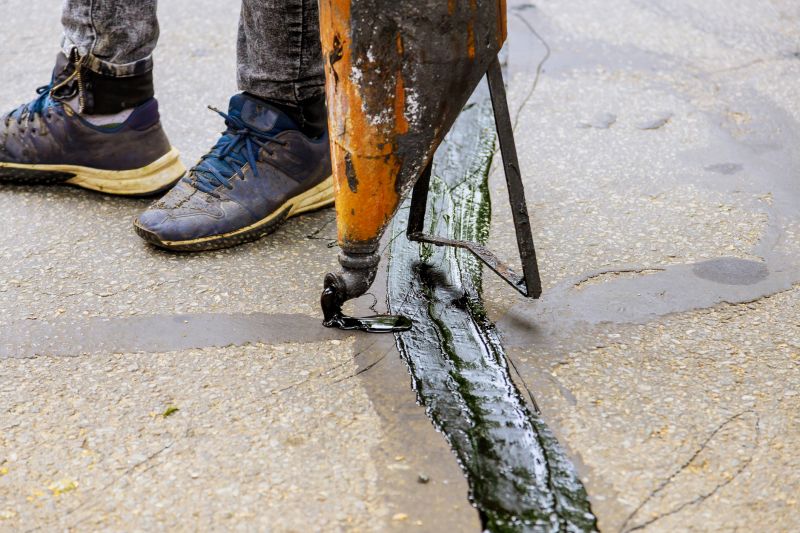
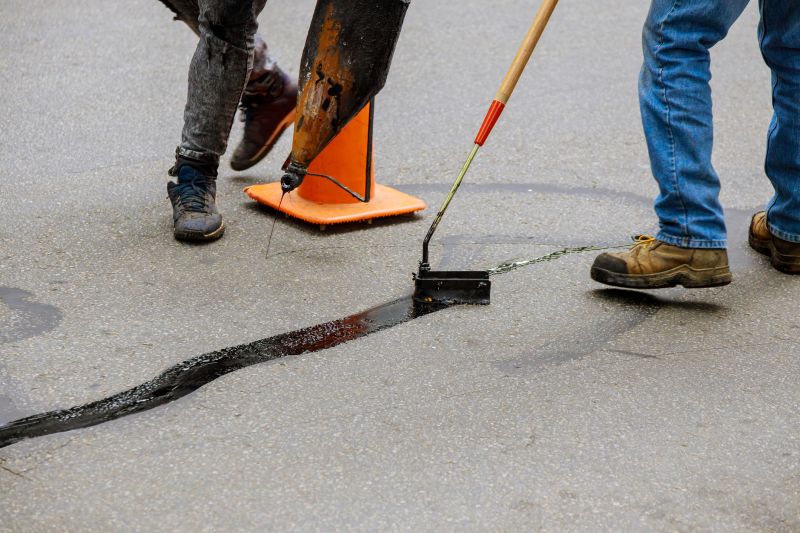
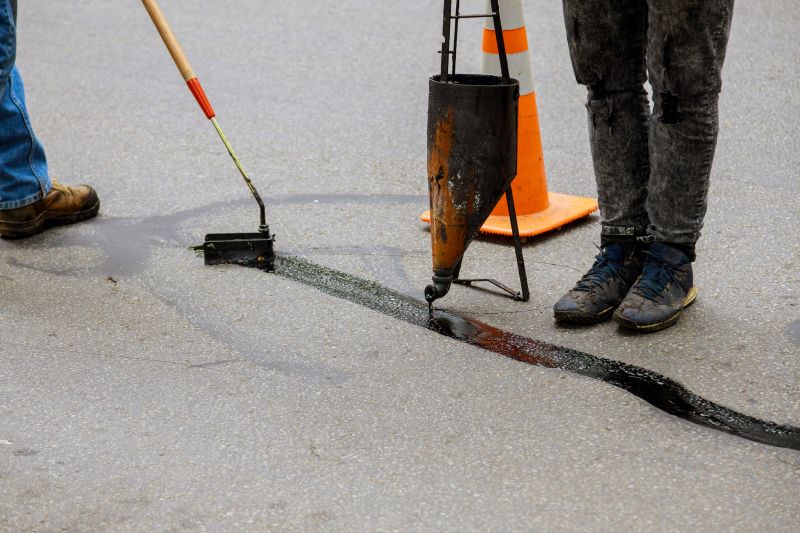
- Crack Filling - cracks that appear on asphalt surfaces should be sealed to prevent water intrusion and further deterioration, with local service providers offering effective crack repair solutions.
- Surface Cleaning - preparing your asphalt for sealing often involves removing debris, oil stains, and loose materials, which local pros handle through thorough cleaning methods.
- Surface Repair - damaged or uneven asphalt areas require patching or leveling to create a stable base for sealing, with local contractors providing professional surface restoration.
- Edge Reshaping - when asphalt edges are crumbling or uneven, local service providers can reshape and reinforce edges to improve the overall surface preparation for sealing.
When people search for preparing their asphalt surface for professional sealing, they are often looking for guidance on how to get their driveway, parking lot, or other paved areas ready for the sealing process. This preparation step is crucial because it helps ensure the sealant adheres properly and provides the best protection against elements like water, UV rays, and daily wear. Homeowners and property managers typically want to understand what cleaning, repairs, or surface treatments might be necessary before a professional applies the sealant. Proper preparation can prevent issues such as peeling, cracking, or uneven sealing, which could compromise the longevity of the asphalt.
The process of preparing an asphalt surface often relates to addressing common problems like surface dirt, oil stains, loose gravel, or minor cracks. These issues can interfere with the sealant’s ability to bond effectively to the asphalt. Many property owners plan to repair or fill cracks and potholes before sealing, as these imperfections can worsen over time if left unaddressed. Additionally, removing debris and ensuring the surface is dry are typical steps in the preparation process. These tasks help create a clean, smooth foundation that enhances the durability and appearance of the sealed asphalt, making it a key part of any project involving asphalt sealing.
Properties that typically come up in discussions about preparing asphalt surfaces include residential driveways, commercial parking lots, and private access roads. Residential driveways are often the most common, with homeowners seeking to improve curb appeal and protect their investment. Commercial properties, on the other hand, may have larger areas that require more extensive preparation, especially if the surface has experienced heavy traffic or weather-related damage. Other properties like community centers, schools, or retail parking areas also benefit from proper surface prep before sealing to ensure a uniform finish and maximum protection. Understanding the specific needs of each property type helps in planning the right preparation steps and selecting experienced service providers.
Connecting with local contractors who specialize in asphalt sealing is essential for a successful project. These professionals have the experience to evaluate the condition of the surface and recommend the necessary preparation steps, whether it involves cleaning, crack filling, or minor repairs. They can also advise on the best timing and methods to prepare the asphalt for sealing, ensuring the surface is ready for a long-lasting sealant application. Homeowners and property managers can benefit from comparing local service providers to find those with the right expertise and reputation for quality work. Proper preparation, guided by knowledgeable local pros, helps maximize the lifespan and appearance of the asphalt surface, making it a worthwhile investment in property maintenance.
Pothole Repair Projects - fixing potholes involves surface preparation skills similar to those needed before sealing asphalt, ensuring a smooth and durable finish.
Driveway Resurfacing - preparing the existing surface properly is essential for a successful driveway resurfacing, aligning with the steps to ready asphalt for sealing.
Asphalt Crack Filling - filling cracks requires detailed surface assessment and cleaning, skills that are also vital when preparing for a professional sealcoat.
Parking Lot Maintenance - maintaining commercial asphalt areas involves surface cleaning and repair, which are foundational tasks prior to sealing.
Asphalt Paving and Repaving - laying new asphalt or repaving involves surface prep that closely relates to the preparation needed before sealing an existing surface.
Surface Cleaning and Debris Removal - thorough cleaning is a critical step shared with preparing asphalt surfaces for sealing to ensure proper adhesion and longevity.
When evaluating local contractors for preparing your asphalt surface for professional sealing, it’s important to consider their experience with similar projects. A contractor’s familiarity with asphalt surfaces comparable to your own can indicate their ability to handle specific challenges and ensure a quality result. Asking for details about their past work or reviewing their portfolio can provide insight into their expertise and whether they have successfully managed projects similar in scope and complexity.
Clear, written expectations are essential when selecting a service provider for asphalt sealing preparation. A reputable contractor should be able to outline the steps involved in preparing the surface, including cleaning, repairs, and any necessary surface treatments. This transparency helps ensure that both parties have a shared understanding of the work to be performed and reduces the potential for misunderstandings or unmet expectations.
Good communication and reputable references are also key factors in choosing a reliable local contractor. Service providers who are responsive and willing to answer questions demonstrate professionalism and a commitment to customer satisfaction. Additionally, seeking references or reviews from previous clients can offer valuable insights into their reliability, quality of work, and how effectively they communicate throughout the project. These elements contribute to a smoother process and a successful outcome when preparing your asphalt surface for sealing.
Property owners often search for preparing your asphalt surface for professional sealing when they are planning practical projects around their homes and businesses. Local pros provide Asphalt Sealing services for everyday jobs and straightforward project options.
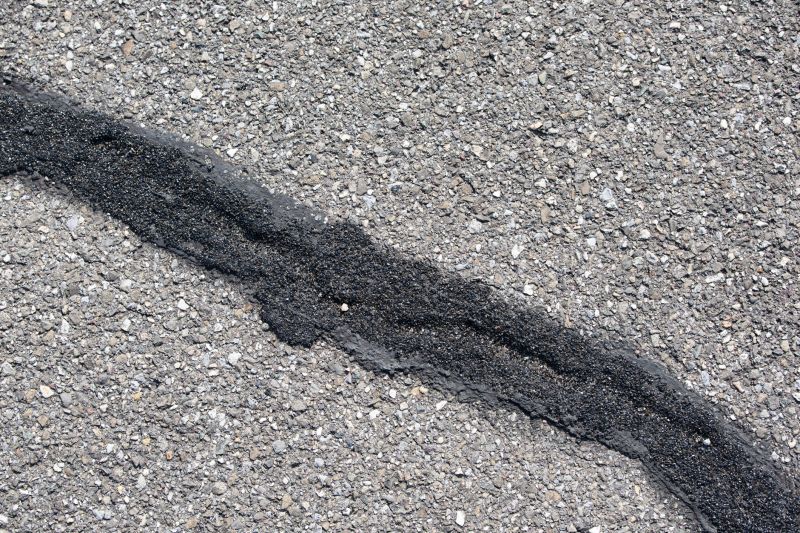
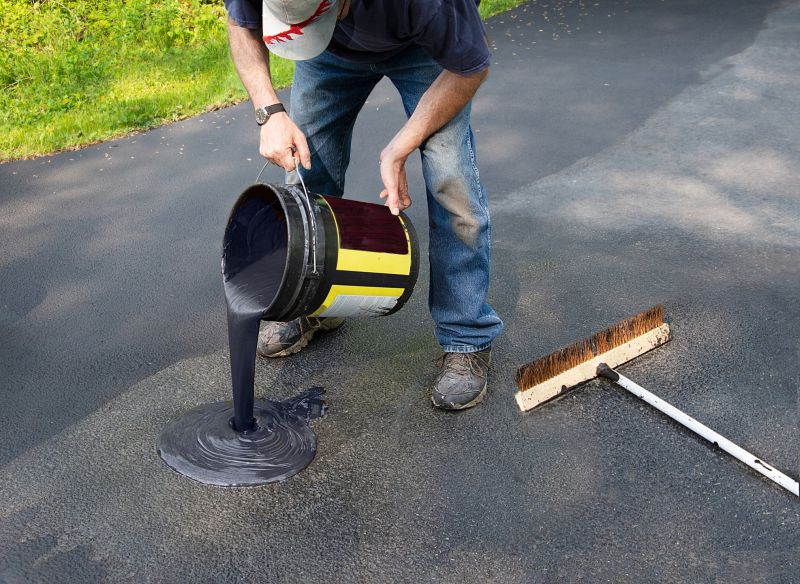
Preparing your asphalt surface for professional sealing is an important step that property owners in the area often consider to ensure the best results. Before sealing, it's common for homeowners and business owners to clear the area of debris, loose gravel, and any objects that might interfere with the process. This simple preparation helps local contractors perform a thorough seal coat application, promoting a longer-lasting finish and a more uniform appearance. Addressing minor cracks and surface imperfections beforehand can also prevent issues from worsening and improve the overall protection that sealing provides.
Many property owners look into preparing their asphalt surfaces as part of routine maintenance or when planning to extend the lifespan of their driveway or parking lot. Proper preparation can make a noticeable difference in the durability of the seal coat, which is why local service providers often recommend specific steps to get the surface ready. Professionals can assist with cleaning, crack filling, and surface repairs, ensuring the asphalt is properly prepared for sealing. Connecting with experienced local contractors can help property owners achieve a professional finish that enhances curb appeal and protects their investment.
What debris should be removed before sealing an asphalt surface? To prepare your asphalt surface for professional sealing, it is important to clear away dirt, leaves, and loose gravel. Local contractors typically recommend sweeping the area thoroughly to ensure a clean surface for optimal sealant adhesion.
How can I repair cracks or potholes before sealing? Filling small cracks and potholes prior to sealing helps protect the asphalt and creates a smooth surface. Many local service providers offer or recommend repair services to ensure the surface is properly prepared for sealing.
Is it necessary to remove vegetation around the asphalt? Yes, trimming back grass, weeds, or other vegetation along the edges prevents future damage and ensures the sealant bonds properly. Local pros can assist with trimming or recommend ways to keep the edges clear.
Should the asphalt surface be dry before sealing? Yes, sealing should only be done on dry surfaces. Ensuring the surface is free of moisture helps the sealant cure correctly and provides a longer-lasting protective layer. Local contractors typically assess the weather conditions to determine the best time for sealing.
What preparations are needed for trees or overhanging branches? Clearing overhanging branches and removing any debris from trees helps prevent damage to the new sealant. Many local service providers can advise on or assist with trimming to prepare the area properly.
Clear the surface of debris - removing leaves, dirt, and loose gravel ensures a smooth foundation for sealing and helps local contractors achieve optimal results.
Repair cracks and holes - filling in any damage prior to sealing prevents moisture infiltration and extends the lifespan of the asphalt, with local service providers handling the repairs.
Ensure proper drainage - directing water away from the asphalt surface reduces pooling and erosion, making it easier for local pros to prepare the area effectively.
Allow the surface to dry - scheduling sealing after the asphalt has dried completely helps local contractors apply the sealant evenly and effectively.
If you are thinking about preparing your asphalt surface for professional sealing for a property, this guide is meant to help you understand this topic, the typical project types, and how different options might fit your plans.
When you are ready, you can use the quote form on this page to share a few details about your project. From there, local pros can review the basics and follow up with options that match what you have in mind.